Why Late Summer Is the Easiest Time of Year to Eat the Full Rainbow
Quick Answer: Late August is the only point in the year when summer fruit and early autumn vegetables overlap, so every color group is simultaneously in peak season. Peak-season produce also carries higher pigment concentrations — and those pigments are the beneficial compounds themselves — so the same plate delivers more now than at any other time. It is the best six-week window to build variety habits that carry into winter.
Every other month of the year, eating a genuinely wide range of colors takes planning. Right now it takes almost nothing — the overlap does the work for you.
Peak season is not just about flavor. The pigments that make late-summer produce look the way it does are, in large part, the compounds that make it worth eating.
Here is why this window is different, and how to use it so the habit survives October.
Why do all the colors overlap right now?
Because summer crops are at their end and autumn crops are at their start, and for a few weeks both are available.
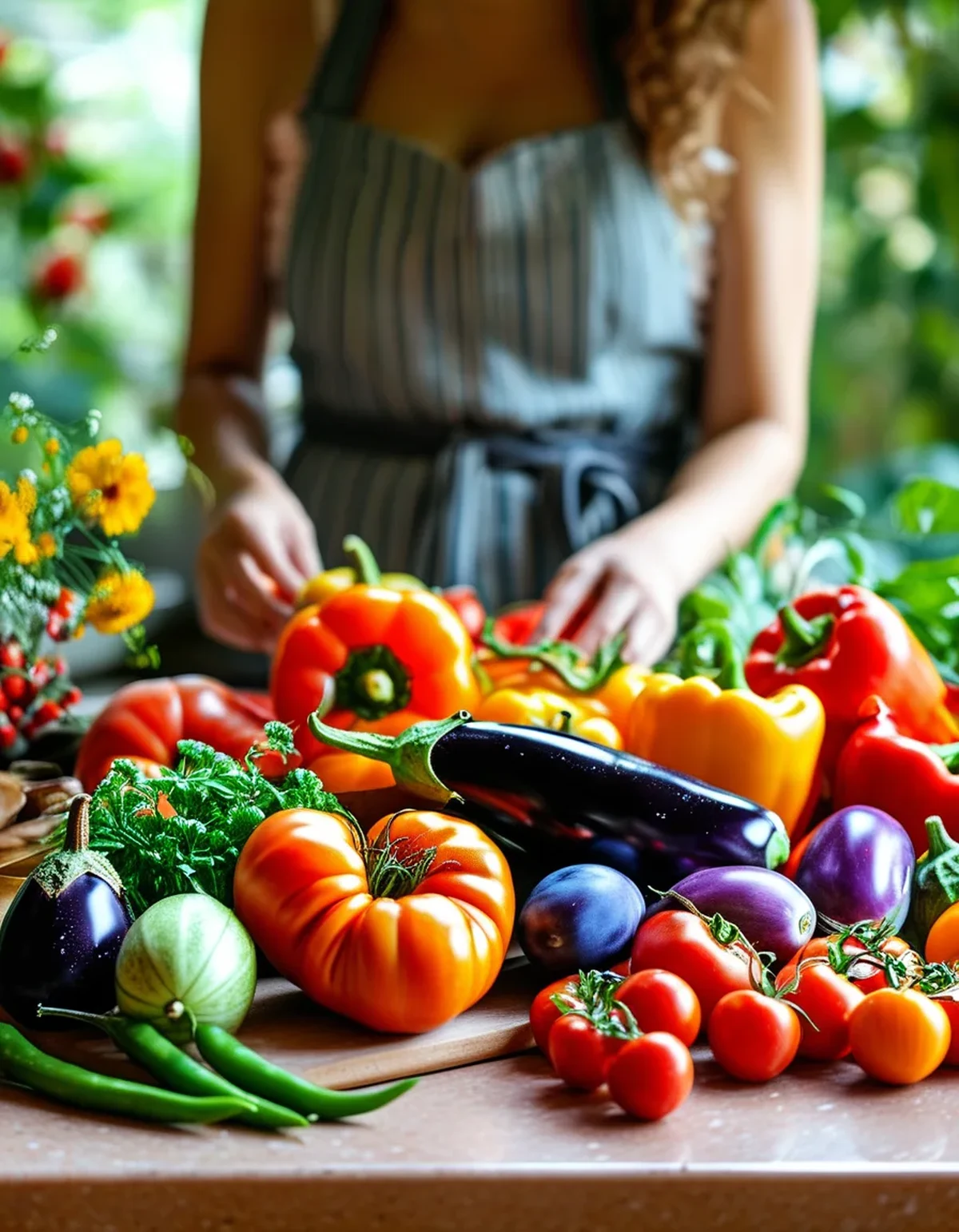
Summer holds on. Tomatoes, peppers, corn, stone fruit, berries, melon, and cucumber are all still at or near peak in late August. That covers red, orange, yellow, and a good deal of green.
Autumn arrives early. Winter squash, beets, cabbage, apples, early pears, and dark leafy greens start appearing. That fills in purple, deep orange, and dark green.
Nothing is out of season yet. In October the berries are gone; in June the squash has not arrived. Late August is the overlap, and it is the only one.
The variety is also cheaper. Peak-season abundance drives prices down at exactly the moment quality is highest. This is the one time of year when eating the widest range is also the cheapest option — which is not usually how nutrition works.
Does peak season actually change the nutrition?
For the pigment compounds specifically, yes — and those are much of the point.
Pigments are the active compounds. Anthocyanins in purple produce, lycopene in red, beta-carotene in orange, chlorophyll and lutein in green. When you eat the rainbow, the colors are not a proxy for the benefit; they largely are the benefit.
Ripeness raises pigment concentration. Lycopene in tomatoes increases substantially as they ripen fully on the vine. A deep red August tomato is a genuinely different food from a pale February one.
Time from harvest matters too. Some vitamins, particularly vitamin C and folate, decline over days of storage and transit. Local, recently picked produce is ahead on those.
But do not over-rotate on this. Frozen produce is picked and frozen at peak and holds its nutrients very well — it beats tired fresh produce most of the year. Late summer is a bonus window, not evidence that off-season eating does not count.
What is the practical way to use the window?
Build variety into a few repeatable meals rather than trying to eat 30 different plants.
Aim for three colors per meal, not per day. It is a much easier target and it produces a far wider weekly range almost automatically.
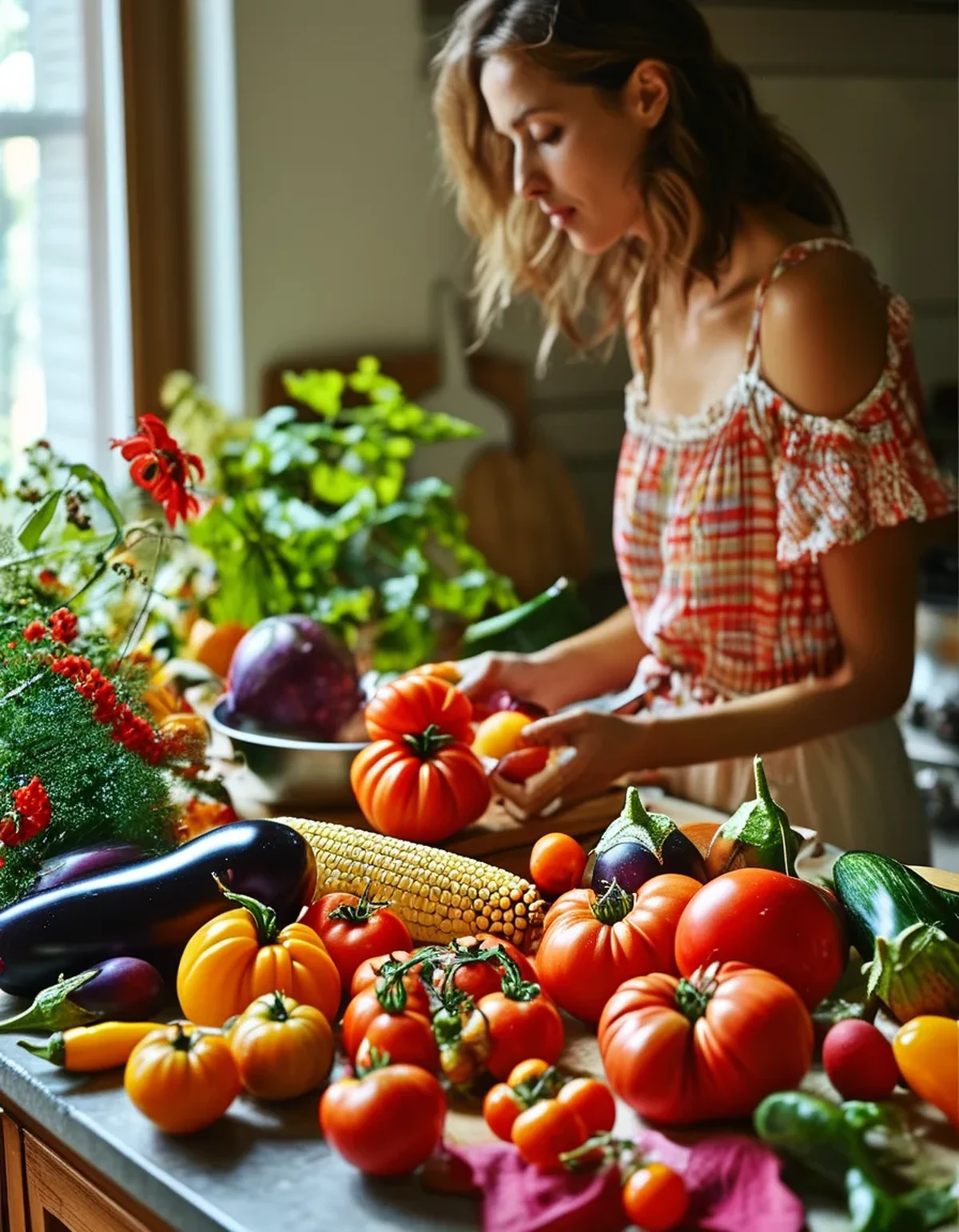
Use one big roasting tray. Peppers, eggplant, tomatoes, red onion, and squash together for 35 minutes at 425°F gives you four colors in one step and keeps for four days.
Add one raw color to every plate. Sliced tomato, shredded cabbage, grated beet, or a handful of berries. Raw produce contributes some compounds that cooking reduces, and it takes 30 seconds.
Preserve the ones that will vanish. Freeze berries and stone fruit on a tray, roast and freeze peppers, make a batch of tomato sauce. The point of the window is not just eating well now but banking color for February.
Keep it to five or six repeat meals. Variety in ingredients, not in recipes. Trying to cook differently every night is the reason variety habits collapse in September.
5 Mistakes Everyone Makes With Eating the Rainbow
1. Treating white as a non-color. Onions, garlic, cauliflower, mushrooms, and white beans all carry their own beneficial compounds. Excluding them narrows your range for no reason.
2. Buying for the idea rather than the week. A full rainbow shop that rots by Thursday is worse than a three-color shop you finish. Buy for the meals you will actually cook.
3. Storing everything in the fridge. Tomatoes lose flavor and texture below about 55°F, and stone fruit stops ripening. Counter for those, fridge for greens and berries.
4. Assuming raw is always better. Cooking increases the availability of lycopene in tomatoes and carotenoids in carrots substantially. A mix of raw and cooked beats a rule in either direction.
5. Letting the habit end with the season. The September drop-off is nearly universal. Deciding in advance which frozen and stored items replace which fresh ones is what carries the habit through.
FAQ: Late-Summer Produce Questions, Answered
Does eating a wide range of colors really matter, or is it a slogan?
The underlying finding is well supported: diets with a greater diversity of plant foods are associated with better outcomes, and different pigment families contribute different compounds. Colors are a practical shorthand for diversity rather than a precise nutritional rule, and as a shorthand it works well.
What should I prioritize if I can only add two things?
A dark leafy green and a deep purple or blue item — those are the two groups most people are shortest on. Beets, red cabbage, blackberries, and purple grapes are all easy and inexpensive right now.
How do I keep this going in winter?
Frozen berries, frozen mixed vegetables, tinned tomatoes, winter squash, cabbage, and citrus cover a wide range through the cold months at low cost. The colors are all still available; they just come from different places.
This is general nutrition information, not individual dietary advice.
TL;DR:
- Late August is the only point where summer and early autumn produce overlap, so every color group is in peak season at once.
- Pigments — anthocyanins, lycopene, carotenoids, chlorophyll — are largely the beneficial compounds, and peak ripeness concentrates them.
- Aim for three colors per meal rather than counting daily totals.
- One big roasting tray plus one raw color per plate covers most of it with minimal effort.
- Freeze and preserve now specifically to carry color into February, and plan the frozen swaps before September.
- Do not skip white produce, and mix raw with cooked rather than following a rule.
This window closes in about six weeks and does not come back for ten months. It is the cheapest and easiest time of year to eat an extremely wide range of plants — and the best moment to set up what you will be eating when none of it is in season.
Keep Reading
This article is for general informational purposes only and is not medical advice. Always consult a qualified health professional for guidance specific to you.