Why Cooking Changes Which Colors Your Body Can Actually Use
Quick Answer: Heat breaks down plant cell walls, which increases the availability of fat-soluble pigments like lycopene and beta-carotene. It also degrades heat-sensitive compounds like vitamin C and some glucosinolates. So the raw-versus-cooked answer depends entirely on which color you’re after — and the best strategy is to vary the preparation, not to pick a side.
Raw is healthier is one of those rules that survives because it’s easy to remember. For roughly half the produce aisle, it’s backwards.
Why does heat increase availability for some nutrients?
Plant cells lock their contents behind rigid cell walls made of cellulose that human digestion can’t fully break down. Nutrients trapped inside intact cells often pass through largely unabsorbed.
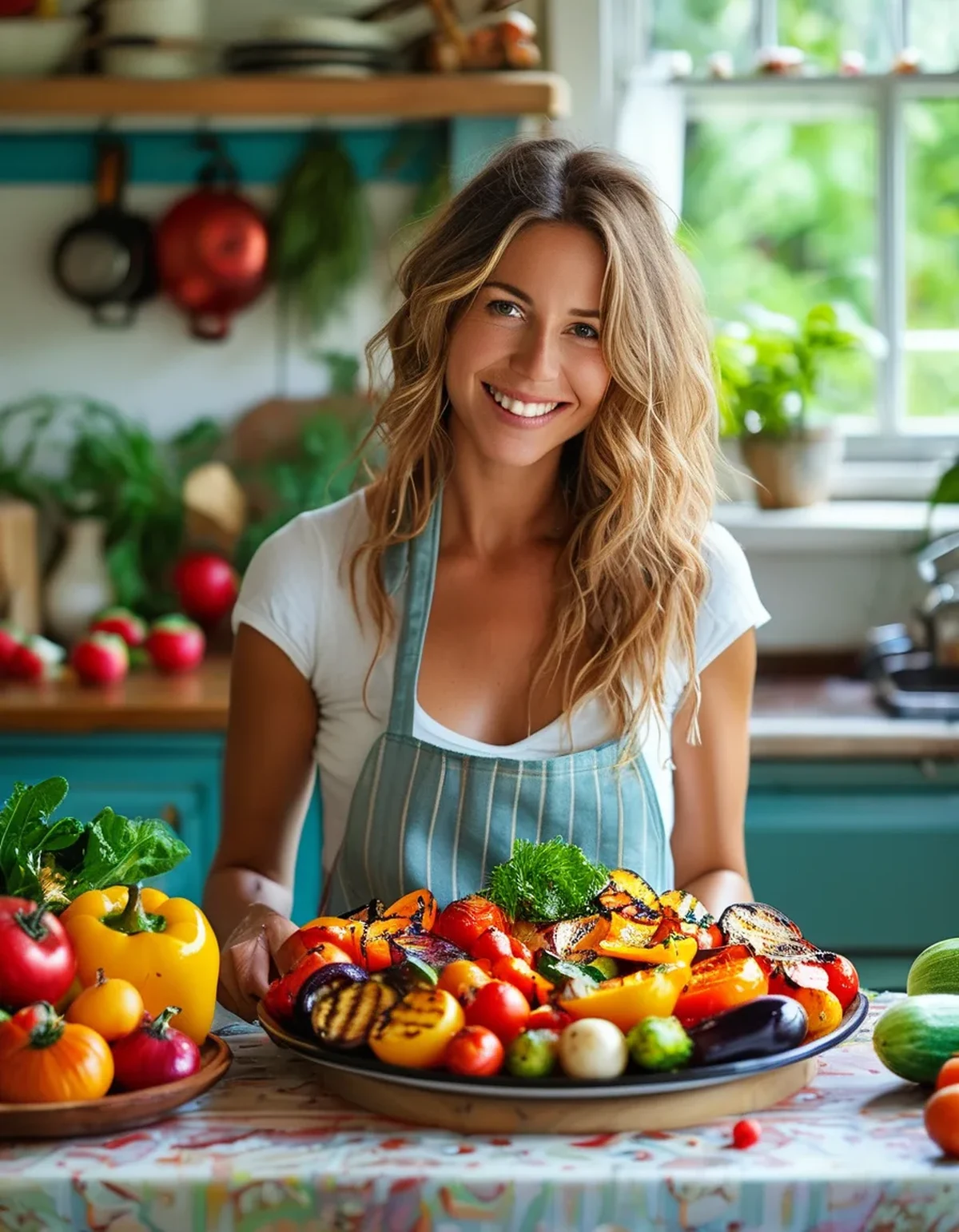
Heat ruptures those walls. For lycopene in tomatoes, cooking has been shown to substantially increase bioavailability, which is why processed tomato products often deliver more usable lycopene than raw tomatoes. The same mechanism applies to beta-carotene in carrots and sweet potatoes — the orange group generally rewards cooking.
Which nutrients does cooking cost you?
Vitamin C is the headline loss — water-soluble and heat-sensitive, with losses that depend heavily on method. Boiling is worst, since the vitamin leaches into water you then pour away.
Some glucosinolate-related compounds in cruciferous vegetables are also affected. The enzyme that converts glucosinolates into their active form is heat-sensitive, which is why lightly steaming broccoli tends to preserve more of that pathway than boiling it thoroughly. And folate, another water-soluble vitamin, follows a similar pattern.
Does fat matter as much as heat?
For the fat-soluble pigments, arguably more. Carotenoids — the reds, oranges, and yellows — require dietary fat for absorption, and studies on salad consumption have found dramatically higher carotenoid absorption when fat is present.
This makes the fat-free dressing habit genuinely counterproductive for a vegetable-heavy meal. A modest amount of olive oil, avocado, nuts, or full-fat dressing converts a colorful salad from mostly decorative to actually absorbed — and it costs nothing in complexity.
Myth vs Fact: Raw and Cooked
Myth: Raw food preserves the most nutrition. Fact: It preserves heat-sensitive vitamins and loses access to cell-bound carotenoids. It’s a trade, not an upgrade.
Myth: Microwaving destroys nutrients. Fact: Microwaving often preserves more than boiling, because it uses less water and shorter cooking times — the two factors that drive most losses.
Myth: Frozen vegetables are nutritionally inferior. Fact: Frozen produce is typically processed shortly after harvest and can retain more of certain nutrients than fresh produce that spent a week in transit and storage.
Myth: Color intensity indicates nutrient density. Fact: It’s a rough guide within a single vegetable type but doesn’t transfer across types — pale foods like garlic, onions, and cauliflower contain valuable compounds that have nothing to do with pigment.
What does a practical approach look like?
Vary the preparation across the week rather than committing to a philosophy. Specifically:
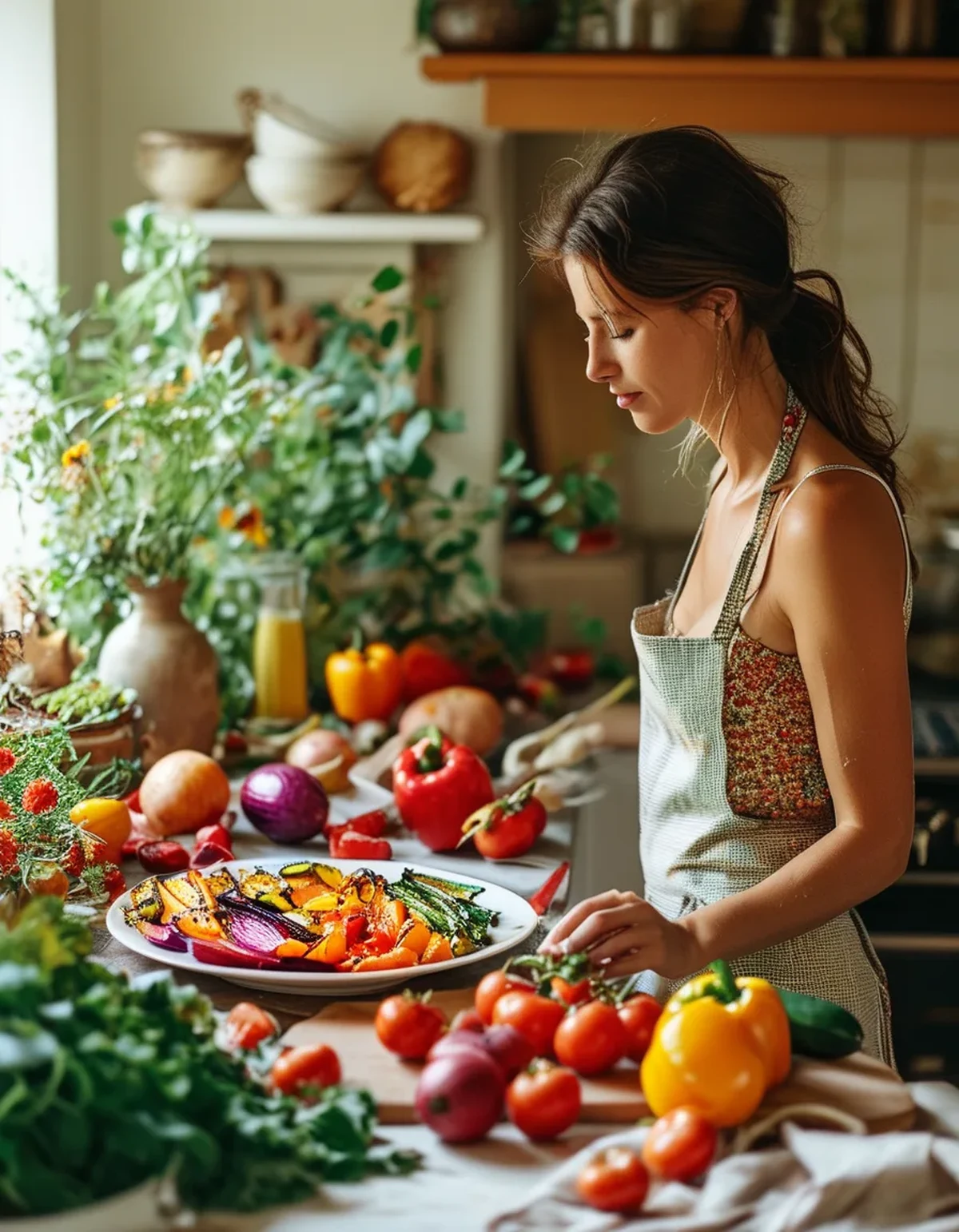
Cook the reds and oranges — tomatoes, carrots, sweet potatoes, red peppers — and serve them with some fat. Eat the greens and crucifers both ways, with light steaming rather than boiling when cooked. Keep vitamin C sources raw where practical — citrus, berries, raw peppers.
And use the water. Soup and pan sauces recover the water-soluble nutrients that boiling extracts, which turns the worst method into a perfectly good one purely through what you do with the liquid.
FAQ: Cooking and Nutrient Questions, Answered
Is steaming always better than boiling?
For water-soluble nutrients, generally yes, since less contact with water means less leaching. If you’re keeping the liquid, the gap mostly closes.
How much fat is enough for carotenoid absorption?
Research suggests a modest amount is sufficient — roughly a tablespoon of oil or an equivalent whole-food source with the meal.
Does chopping in advance reduce nutrients?
Cutting increases surface area and exposure to air and light, which accelerates some degradation. It’s a modest effect and not a reason to skip meal prep.
TL;DR:
- Heat ruptures cell walls, increasing availability of carotenoids like lycopene and beta-carotene
- Heat and water reduce vitamin C, folate, and some crucifer compounds
- Fat-soluble pigments need dietary fat to be absorbed at all
- Cook the reds and oranges, keep vitamin C sources raw, steam rather than boil
- Save the cooking water and the whole trade-off mostly disappears
Vary the preparation instead of picking a camp. The color range you’re after doesn’t all respond to heat the same way.
Keep Reading
This article is for general informational purposes only and is not medical advice. Always consult a qualified health professional for guidance specific to you.