Why a Beautifully Colorful Plate Can Still Be Surprisingly Nutrient-Poor
Quick Answer: Color variety on a plate is a reasonable proxy for phytonutrient diversity, but it doesn’t account for portion size, preparation method, or nutrient bioavailability — a plate can have five different colors represented in tiny garnish-sized portions, or have colorful vegetables so overcooked that key nutrients have significantly degraded, both of which undercut the actual nutritional benefit the color variety visually suggests.
A colorful plate is a helpful starting signal, not a finished nutritional guarantee — portion size and preparation still determine whether that color translates into real nutrient intake.
Why doesn’t color variety alone guarantee meaningful nutrient intake?
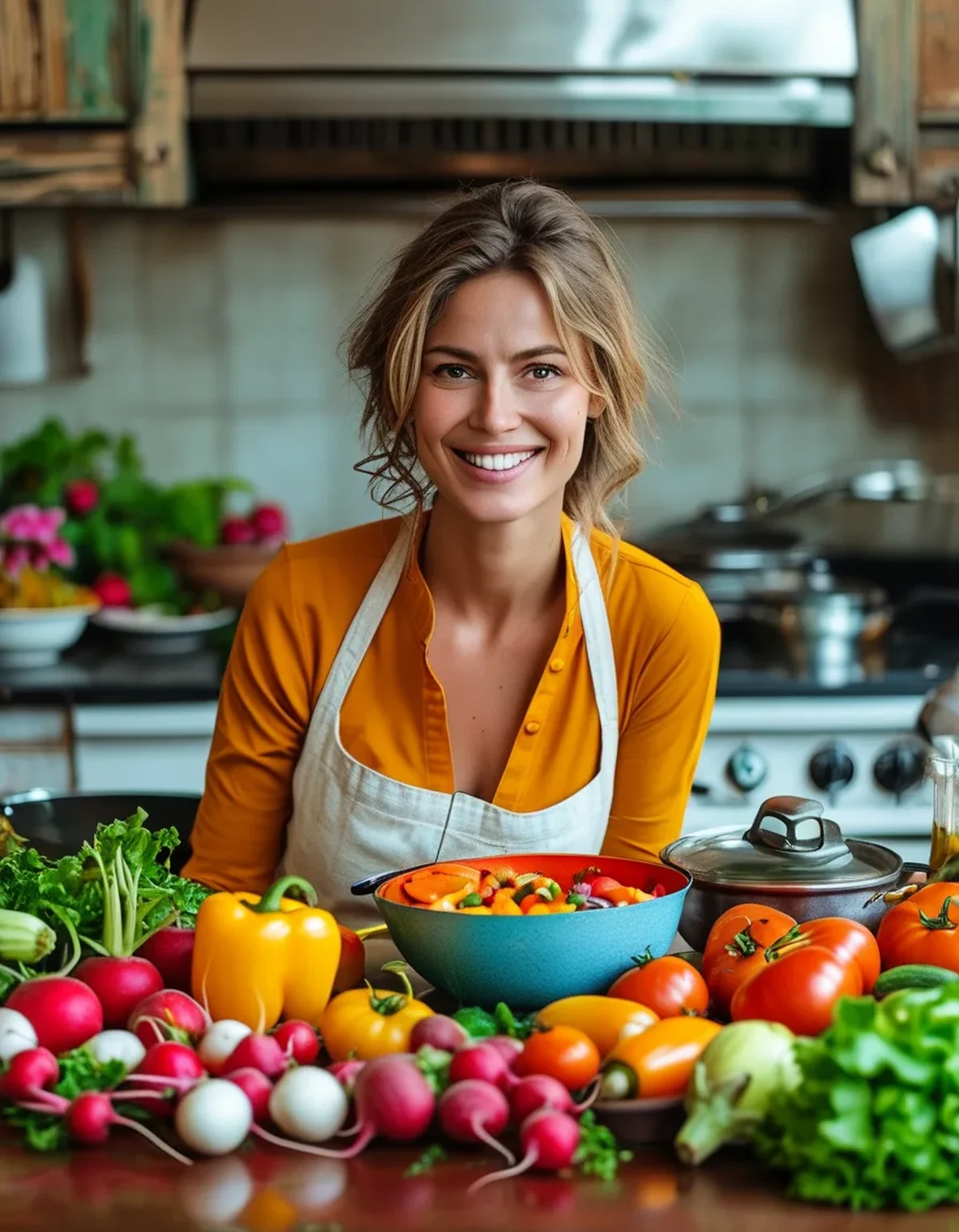
The “eat the rainbow” heuristic works because different plant pigments correlate with different phytonutrient and antioxidant profiles, but this only holds if the colorful foods are present in meaningful portions, not token amounts. A plate with a few thin strips of five different colored vegetables as garnish technically hits the color-variety goal while delivering a fraction of the nutrient volume a more generously portioned two-color plate might provide.
Does cooking method actually meaningfully reduce the nutrients that color variety is meant to represent?
Yes, in some cases significantly — water-soluble vitamins like vitamin C and several B vitamins degrade with prolonged high-heat cooking, particularly boiling, where nutrients can also leach into discarded cooking water. Steaming, roasting, or quick sautéing generally preserve more of these nutrients than extended boiling, meaning the same colorful vegetable can deliver quite different actual nutrient content depending on how it’s prepared.
Is frozen or canned colorful produce actually less nutritious than fresh, given this preparation concern?
Not necessarily — frozen produce is typically flash-frozen at peak ripeness, which can preserve nutrient content comparably to or even better than fresh produce that’s traveled and sat for days before reaching a plate. Canned produce often has somewhat reduced vitamin content from processing heat, though it still contributes meaningfully to color and fiber variety, making frozen a particularly strong, often underrated option for consistent nutrient-dense color variety.
What’s a practical way to make sure a colorful plate is actually nutrient-dense, not just visually varied?
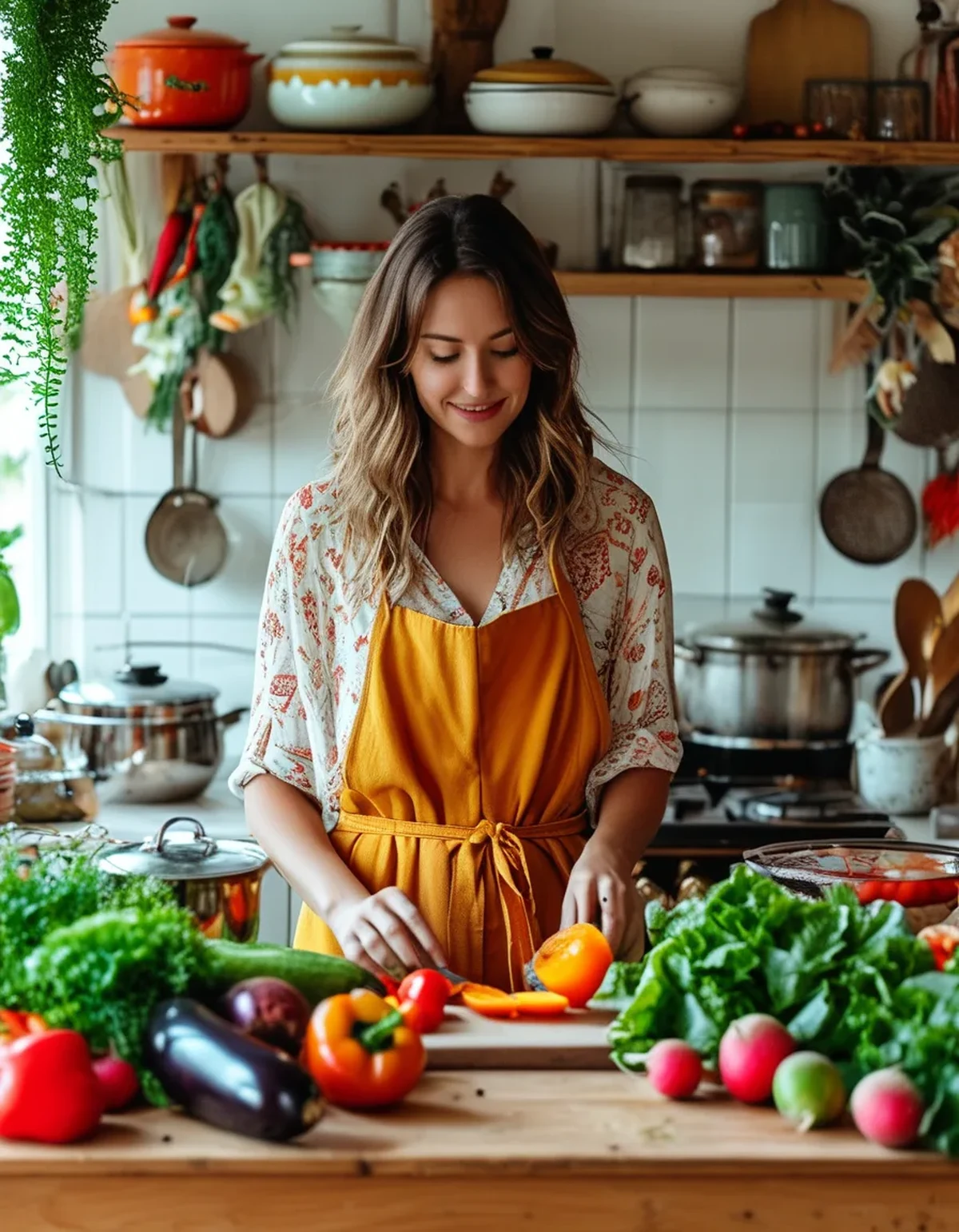
Prioritizing generous portions of two or three colors over token amounts of five or six, choosing gentler cooking methods like roasting or steaming, and including some produce raw when appropriate all help ensure the visual variety reflects genuine nutrient volume. Treating color variety as a starting checklist rather than the finish line — still paying attention to portion and preparation — closes the gap between how a plate looks and what it actually delivers.
Myth vs Fact: Colorful Eating and Nutrition
Myth: If a plate has many colors represented, portion size doesn’t matter much for nutrition. Fact: Portion size significantly affects actual nutrient intake regardless of how many colors are technically present on the plate.
Myth: Fresh produce is always more nutritious than frozen. Fact: Frozen produce, flash-frozen at peak ripeness, often matches or exceeds the nutrient content of fresh produce that has traveled and aged before purchase.
FAQ: Colorful Eating and Nutrient Density, Answered
Is there a reasonable minimum portion size to aim for, per colorful food, to make color variety meaningful?
While exact amounts vary by food, aiming for at least a half-cup serving of each colorful vegetable or fruit included, rather than a thin garnish amount, is a reasonable practical guideline.
Does adding a fat source to a colorful vegetable plate actually improve nutrient absorption?
Yes — many phytonutrients and fat-soluble vitamins in colorful produce are better absorbed with some accompanying fat, making a drizzle of olive oil or a handful of nuts a genuinely useful addition, not just a flavor choice.
Does this nutrient-density concern apply equally to smoothies made from colorful produce?
Smoothies can deliver good nutrient density if portioned generously, though blending can slightly reduce fiber’s structural benefit compared to eating the same produce whole.
TL;DR:
- Color variety alone doesn’t guarantee meaningful nutrient intake without adequate portion size
- Cooking method meaningfully affects nutrient retention, with gentler methods generally preserving more
- Frozen produce often matches or exceeds fresh produce’s nutrient content due to peak-ripeness freezing
- Generous portions of fewer colors typically outperform token garnish amounts of many colors
A colorful plate is a genuinely useful starting heuristic, but portion size and preparation method are what actually determine whether that visual variety becomes real nutritional benefit.
Keep Reading
This article is for general informational purposes only and is not medical advice. Always consult a qualified health professional for guidance specific to you.