Getting a Picky Family to Eat the Rainbow: Color Strategies That Skip the Battle
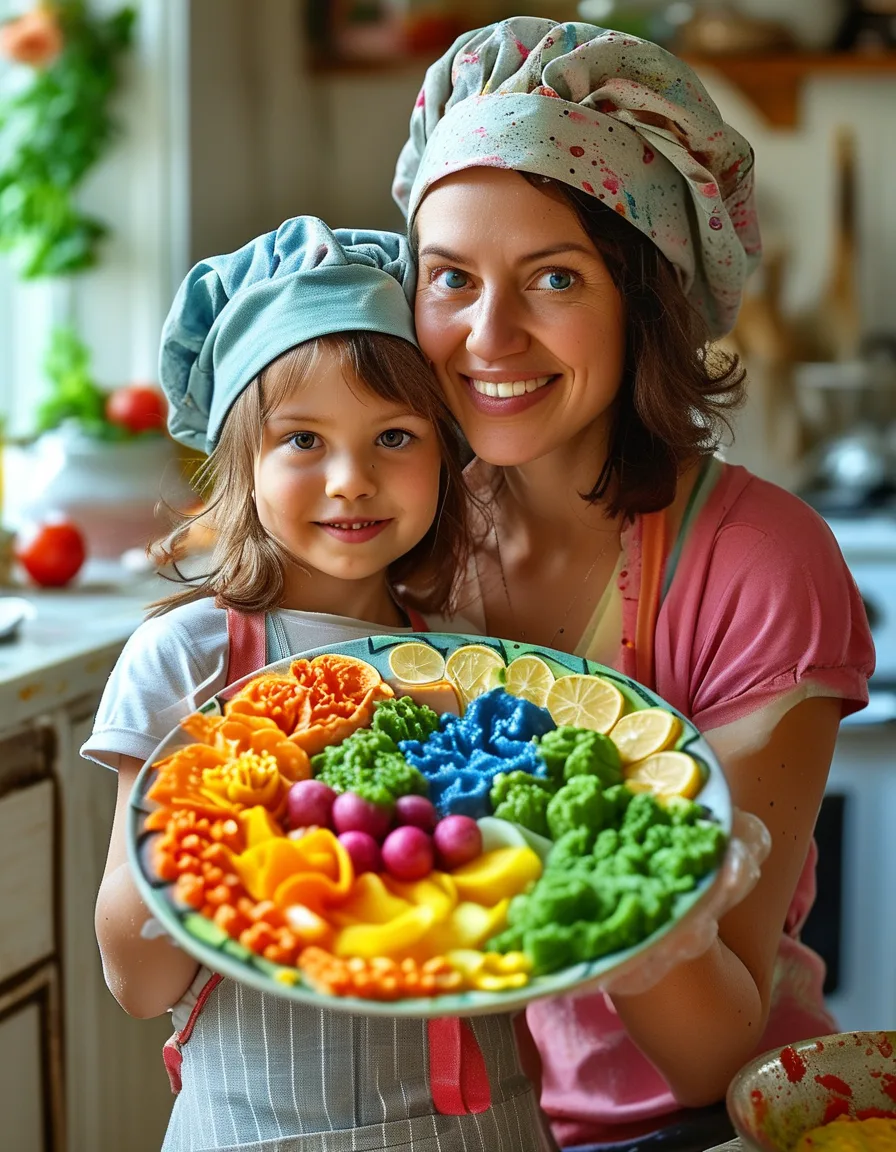
Color is the rare vegetable strategy that works WITH child psychology instead of against it — the rainbow framing turns eating into collecting, and collecting is a game kids already love. The picky-family color guide: the psychology, the tactics and the systems.
The Color-Psychology Advantage
Why color framing works: the collection instinct (the kids who collect cards and stickers collecting colors — the rainbow-chart completion drive; the gamification that needs no prizes per the motivation doctrine), the neutral vocabulary (the ‘did you get a purple today’ question carrying zero pressure — the color talk replacing the eat-your-vegetables talk; the nutrition conversation smuggled inside a game per the pressure-free doctrine), the autonomy fit (the child CHOOSING which red — the control that toddler psychology demands per the toddler doctrine; the color goal with free means), the novelty engine (the new-color hunt making unfamiliar produce interesting — the exposure doctrine’s repetitions arriving as adventures), and the whole-family honesty (the adults needing the same game — the parent’s rainbow chart beside the kid’s; the modeling from the family doctrine doubled).
The No-Pressure Tactics
The daily moves: the rainbow plate assembly (the build-your-own meals with color stations — the taco-and-bowl formats from the picky doctrine; the child assembling her own spectrum), the color-hunt shopping (the market mission: ‘find us something orange’ — the produce aisle as scavenger hunt; the kid-chosen vegetable eaten at doubled rates per the involvement doctrine), the chart-not-chore tracking (the fridge rainbow chart with stickers-or-checkmarks — the collecting made visible; the week’s colors reviewed with curiosity, never scolding), the one-safe-color rule (every meal containing an accepted color — the safe-food doctrine painted; the new colors appearing beside, not instead), the tiny-portion law (the new-color serving being ONE bite-sized piece — the exposure without the mountain; the acceptance ladder from the exposure doctrine), the dip-diplomacy (the ranch-hummus-yogurt bridge — the dip being the gateway per the picky doctrine; the color eaten because it’s a vehicle), and the fun-format library (the rainbow skewers, the color-block snack plates, the smoothie-color experiments from the smoothie doctrine — the food play that lowers stakes).

The Family Systems
Making color the default: the visible fruit bowl (the counter rainbow from the environment doctrine — the seen-first snack; the color at eye level in the fridge), the meal-planning color check (the weekly menu scanned for spectrum — the beige-week caught at planning per the prep doctrine; the one-color-per-dinner minimum), the garden-and-sprout option (the grow-a-color projects — the cherry tomatoes and rainbow chard that kids tend; the grown-it-eat-it effect from the garden doctrine), the cooking roles (the color-prep jobs by age — the pepper-washing and salad-spinning assignments per the involvement doctrine), the restaurant translation (the color game traveling — the menu color-hunt from the restaurant doctrine), the sibling-and-friend leverage (the peer-modeling effect — the color race between siblings kept friendly; the friend who eats peppers being worth ten parental lectures), and the seasonal tie-in (the season’s colors from the calendar doctrine as the rotating game board — the strawberry season announced like an event).
The Long-Game Frame
Playing for the decade: the wins redefined (the color TOUCHED and plated counting — the acceptance ladder honored; the toddler doctrine’s progress markers), the relapse normalcy (the beige weeks during illness and phases — the game resumed without drama per the flexibility doctrine), the pressure audit (the game abandoned the moment it becomes a chore — the fun being the mechanism; the chart that causes tears retired immediately per the pressure-free doctrine), the nutrition perspective (the rainbow being a diversity proxy, not a daily requirement — the week’s spectrum mattering over any meal’s per the pattern doctrine), the identity outcome (the kid who grew up collecting colors becoming the adult who orders the rainbow bowl — the food relationship built by play per the food-peace doctrine), and the closing encouragement (the family rainbow being a years-long game won by keeping it a game — the vegetables eaten because nobody made them; the battle, skipped entirely, which was the strategy all along). Chart on the fridge, one new color beside a safe one, dips at the ready: the rainbow, collected not commanded.
Turn color into collecting: fridge rainbow charts, market color-hunts, build-your-own plates and one bite-sized new color beside a safe food. The game framing carries zero pressure — and abandon any chart that causes tears; fun IS the mechanism.
Keep Reading
This article is for general informational purposes only and is not medical advice. Always consult a qualified health professional for guidance specific to you.