Does Frozen Produce Really Keep Its Color-Coded Nutrients?
Quick Answer: Frozen produce is flash-frozen within hours of harvest, which often preserves more of its color-linked nutrients (like vitamin C and anthocyanins) than “fresh” produce that spent days in transit and on a shelf before it reached your cart — so frozen absolutely counts toward a color-varied diet, and in some cases counts more.
You skip the frozen aisle because it feels like the lesser option. The produce section timeline tells a different story.
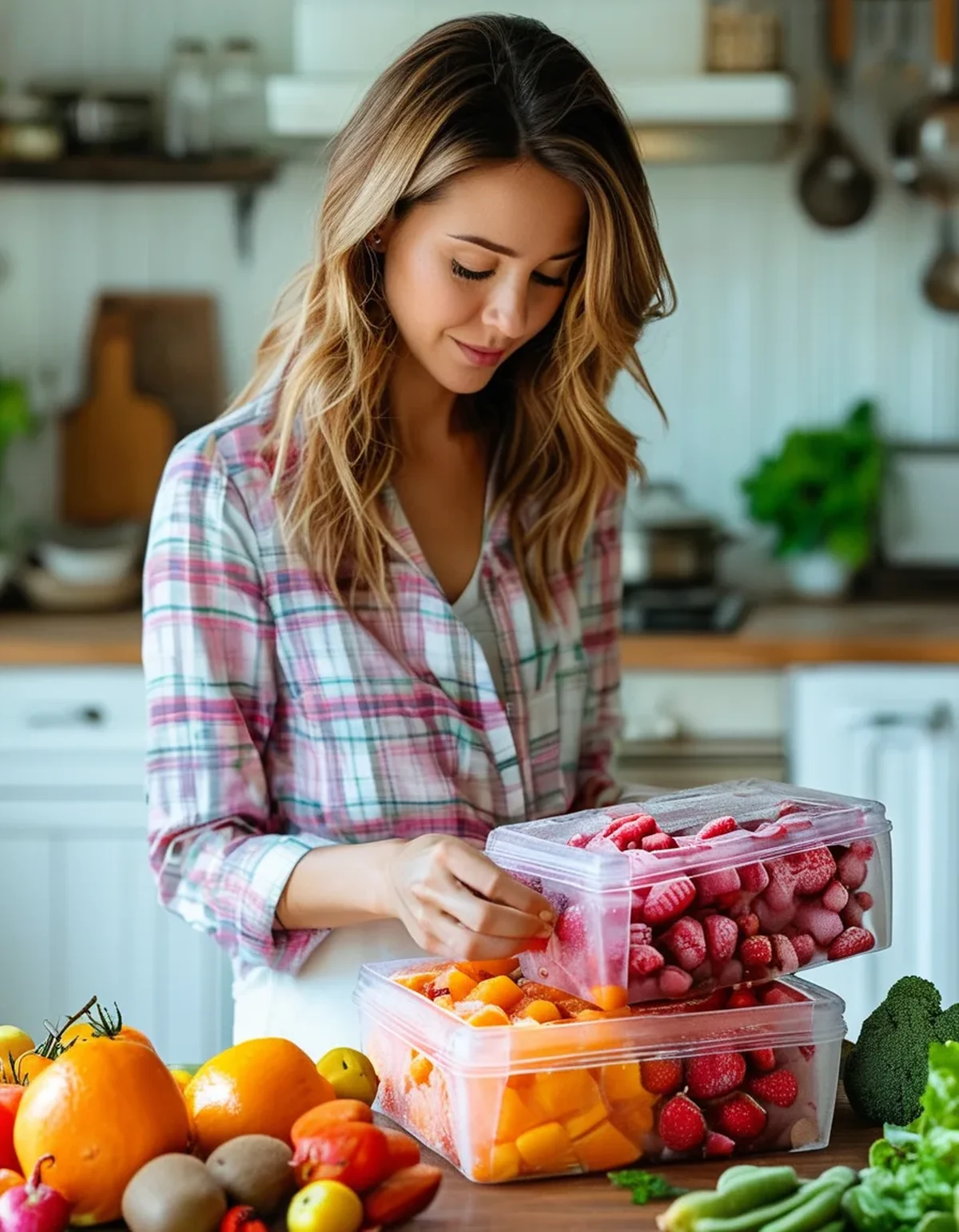
Does freezing actually damage the nutrients tied to a food’s color?
Flash-freezing locks produce in place at peak ripeness, which is exactly when pigment-linked nutrients like beta-carotene, anthocyanins, and vitamin C are at their highest. Fresh produce, by contrast, keeps losing these compounds every day it sits after harvest — some studies show spinach loses over half its vitamin C within a week of being picked, even refrigerated. Frozen often wins this comparison, not loses it.
Which colors hold up best and worst in the freezer?
Orange and red produce (carrots, peppers, berries) freeze exceptionally well since their key pigments are fat-soluble and stable through the freeze-thaw cycle. Leafy greens lose some texture but retain most nutrients. The one category where fresh clearly wins is delicate herbs and thin-skinned items like fresh basil or lettuce, which turn to mush when frozen — those are worth buying fresh in smaller quantities instead.
What Nobody Tells You About Frozen Produce
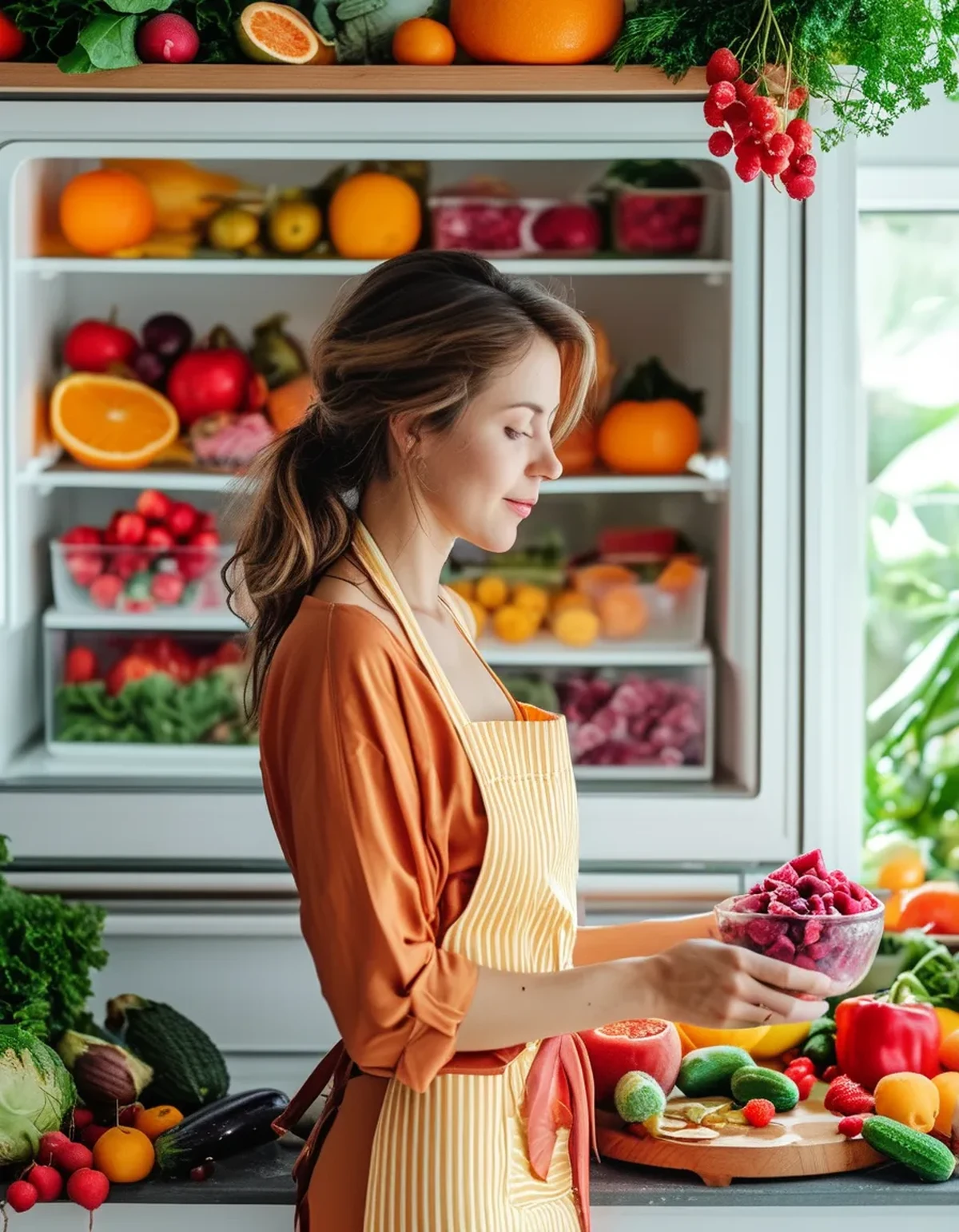
Frozen fruit is often cheaper per serving and has zero spoilage waste, which quietly matters for actually eating a variety of colors consistently rather than buying five kinds of fresh produce and using two before they go bad. It also removes the barrier of seasonal availability — you can hit purple, orange, and red categories in the middle of winter without paying premium out-of-season prices.
Is there a downside to relying mostly on frozen for color variety?
The main tradeoff is texture and satiety — frozen produce that’s been thawed doesn’t have the same crunch as fresh, which can matter if you’re using vegetables for snacking rather than cooking. A reasonable split is frozen for anything going into a smoothie, stir-fry, or baked dish, and fresh for anything eaten raw where texture is the point.
TL;DR:
- Flash-frozen produce often has more color-linked nutrients than fresh, since it’s frozen at peak ripeness
- Orange, red, and purple produce freeze exceptionally well; delicate greens and herbs don’t
- Frozen removes seasonal and spoilage barriers to actually hitting color variety
- Save fresh purchases for raw-eating where texture matters most
The frozen aisle isn’t a compromise on the rainbow — for a lot of colors, it’s the more reliable route to actually hitting them.
Keep Reading
This article is for general informational purposes only and is not medical advice. Always consult a qualified health professional for guidance specific to you.