Eat the Rainbow: The Science Behind the Prettiest Nutrition Advice Ever Given
Eat the rainbow sounds like advice from a kindergarten poster, which is why it is easy to underestimate the chemistry underneath: plant colors are not decoration — they are pigment compounds, each family doing distinct work in your body, none of them replaceable by the others. Eating across the spectrum is the lazy genius version of nutritional variety. Here is what each color is actually doing, and how to collect the whole set weekly.

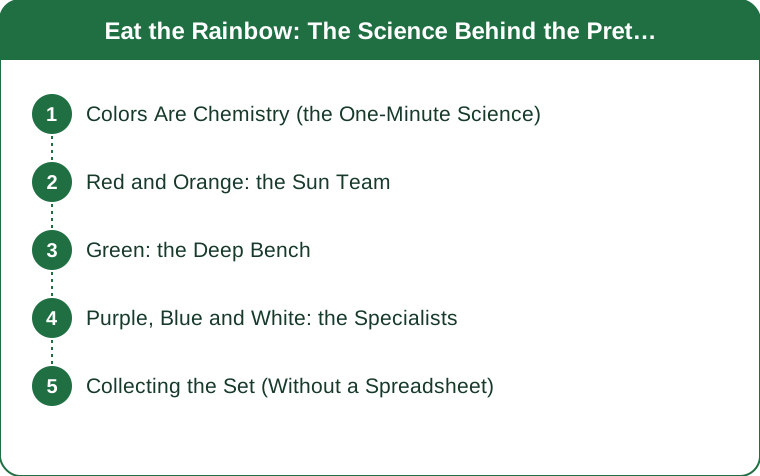
Colors Are Chemistry (the One-Minute Science)
Plants manufacture thousands of compounds — phytonutrients — many of which double as their pigments: lycopene paints the tomato red, beta-carotene makes carrots orange, anthocyanins turn blueberries blue-purple. In your body these compounds act as antioxidants, anti-inflammatories and cellular signalers, and crucially, they specialize: each pigment family concentrates in and benefits different systems. Which is why beige-diet eaters can hit their calories and still run a phytonutrient deficit — and why the rainbow instruction, silly as it sounds, encodes genuinely sophisticated advice.
Red and Orange: the Sun Team
Red foods — tomatoes, watermelon, red peppers — headline lycopene, the carotenoid most studied for heart health and, intriguingly, skin protection (cooked tomatoes deliver it best; sauce counts, gloriously). Orange and yellow — carrots, sweet potatoes, mangoes, squash — carry beta-carotene, the vitamin A precursor working in eye health, immune function and skin, plus citrus bioflavonoids in the yellows. Summer trick: this team absorbs dramatically better with fat present — which officially makes olive oil on roasted peppers, and guacamole generally, a nutrition strategy.

Green: the Deep Bench
Green is nutrition’s deepest roster: leafy greens (spinach, kale, chard) bring folate, vitamin K, lutein and zeaxanthin — the two carotenoids that literally accumulate in your retinas as internal sunglasses; cruciferous greens (broccoli, Brussels sprouts, cabbage) add sulforaphane and friends, the most-researched food compounds in cellular-protection science; and herbs are secretly the most concentrated phytonutrient sources per gram in the entire store. The instruction is simple: two greens daily, one leafy and one cruciferous, and let the science compound quietly.
Purple, Blue and White: the Specialists
Purple-blue foods — blueberries, blackberries, purple cabbage, eggplant — run on anthocyanins, the pigment family with the most exciting research on brain aging and memory (the famous berry studies), plus vascular benefits. Rare on plates, so deliberate collection pays. And do not skip the white-tan shelf just because it looks humble: garlic and onions carry allicin and quercetin (the compounds behind their formidable research résumés), mushrooms bring unique beta-glucans and even vitamin D when sun-exposed, and cauliflower is cruciferous royalty in a beige coat. Every color earns its slot — including the non-color.
Collecting the Set (Without a Spreadsheet)
The practical version: aim for three colors per meal and all five families across most weeks — a plate-glance habit, not an accounting system. Rig the game: frozen berry bags (purple, solved), pre-mixed slaws and stir-fry blends (three colors, zero chopping), rainbow-by-default meals like big salads, fajita night and grain bowls, and the farmers market rule of one new-colored thing per trip. Kids make excellent rainbow auditors, if you have any on staff. Variety here is not perfectionism — every color you add is compounds nobody else on the plate was carrying.
Eat the rainbow survives scientific scrutiny better than almost any cute nutrition slogan: each color family is a different chemistry set, and the full spectrum is the point. Three colors a plate, five families a week, fat alongside the orange team, berries defending the purple slot. It is the rare health habit you can audit at a glance — just look down at dinner and count. Beige, you now know too much to go back.
Keep Reading
This article is for general informational purposes only and is not medical advice. Always consult a qualified health professional for guidance specific to you.