Does Cooking Kill the Rainbow? What Heat Actually Does to Each Color's Compounds
Quick Answer: Cooking doesn’t kill the rainbow — it edits it, color by color: red tomatoes get MORE available lycopene when cooked, orange carotenoids absorb better with heat and fat, greens lose some vitamin C but keep most minerals (steam beats boil), and purple anthocyanins are the fragile ones that prefer raw or quick cooking. The real rule: vary your methods like you vary your colors, and stop feeling guilty about the roasting pan.
Somewhere along the way, ‘raw is best’ became kitchen guilt — every roasted tray haunted by the nutrients supposedly lost in the oven. The actual chemistry is far more interesting: for some of the rainbow, your stove is a nutrient unlocker.
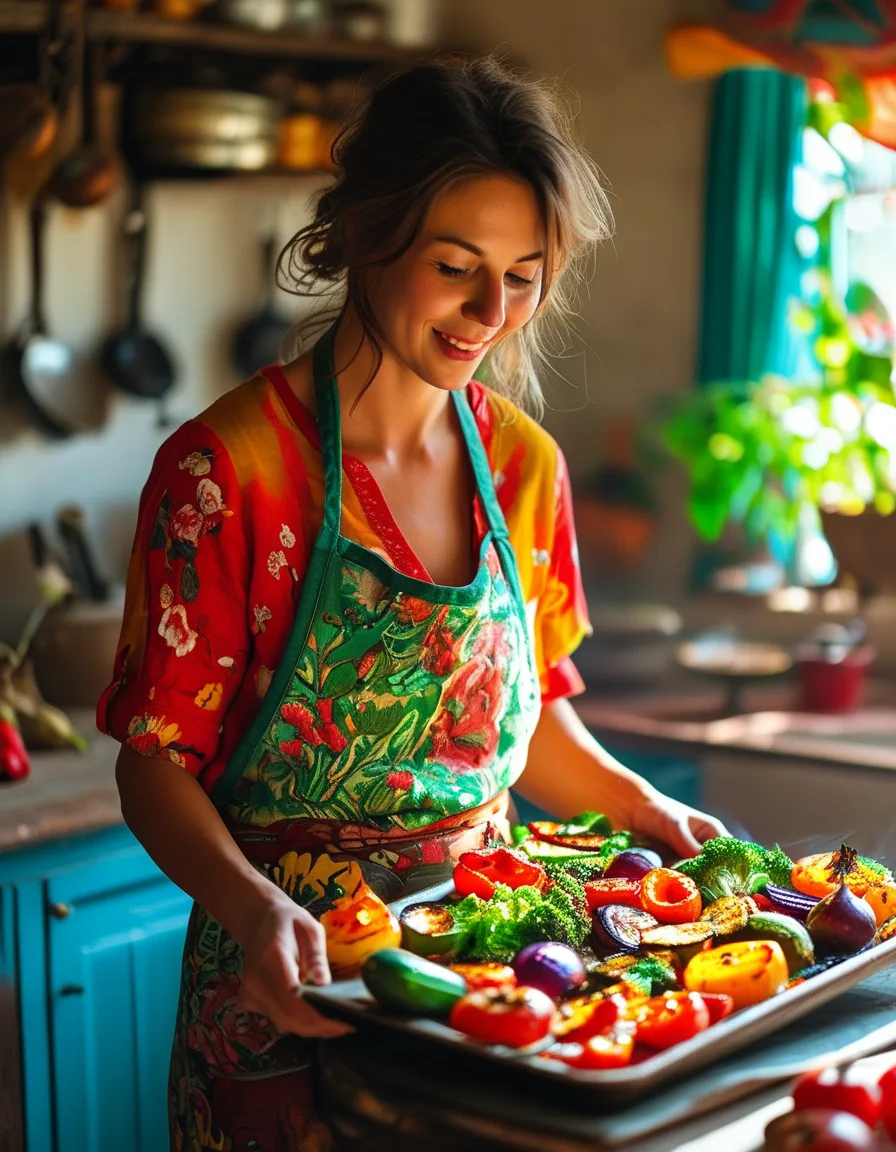
Which colors get BETTER with cooking?
The heat-improved club is bigger than the raw-food narrative admits:
- Red (lycopene): the tomato is the famous case — cooking breaks down cell walls and converts lycopene into forms your body absorbs far better. Tomato paste and sauce deliver several times the available lycopene of raw tomatoes, which makes pizza sauce an unlikely nutrition win.
- Orange (beta-carotene): carrots, sweet potatoes, and squash release more absorbable carotenoids after cooking — and since carotenoids are fat-soluble, the roasted-with-olive-oil version beats the raw stick twice over.
- The crucifer caveat that surprises people: light cooking makes many vegetables gentler on digestion and lets you comfortably eat more total volume — and quantity eaten beats per-gram perfection every time someone actually finishes the roasted broccoli but abandons the raw pile.
Which colors are heat-fragile?
The genuinely delicate compounds:
- Purple/blue (anthocyanins): the berries-and-red-cabbage pigments are the rainbow’s most heat-sensitive — long boiling leaches them into the water (that purple pot water IS your nutrients leaving). Strategy: eat purples raw where pleasant (berries, quick-pickled red onion) or cook fast and dry (quick sauté, roast) rather than long and wet.
- Vitamin C (across colors): heat- and water-sensitive both — greens, peppers, and citrus lose meaningful C with long cooking. But note the framing: a diet with any fresh fruit and salad covers C easily; the cooked greens are still delivering their minerals, fiber, and other compounds.
- Green (chlorophyll + folate): moderate losses with heat, dramatic losses with long boiling — the classic army-green overboiled broccoli lost both color and a chunk of its folate to the water. Steaming or quick sautéing keeps greens bright, and bright green IS the visual freshness indicator.
The universal water rule hiding in all of this: the cooking water is where nutrients go — steam, roast, sauté, or microwave beat boiling for nearly every color, and if you do boil, soups and stews win because you drink the water.
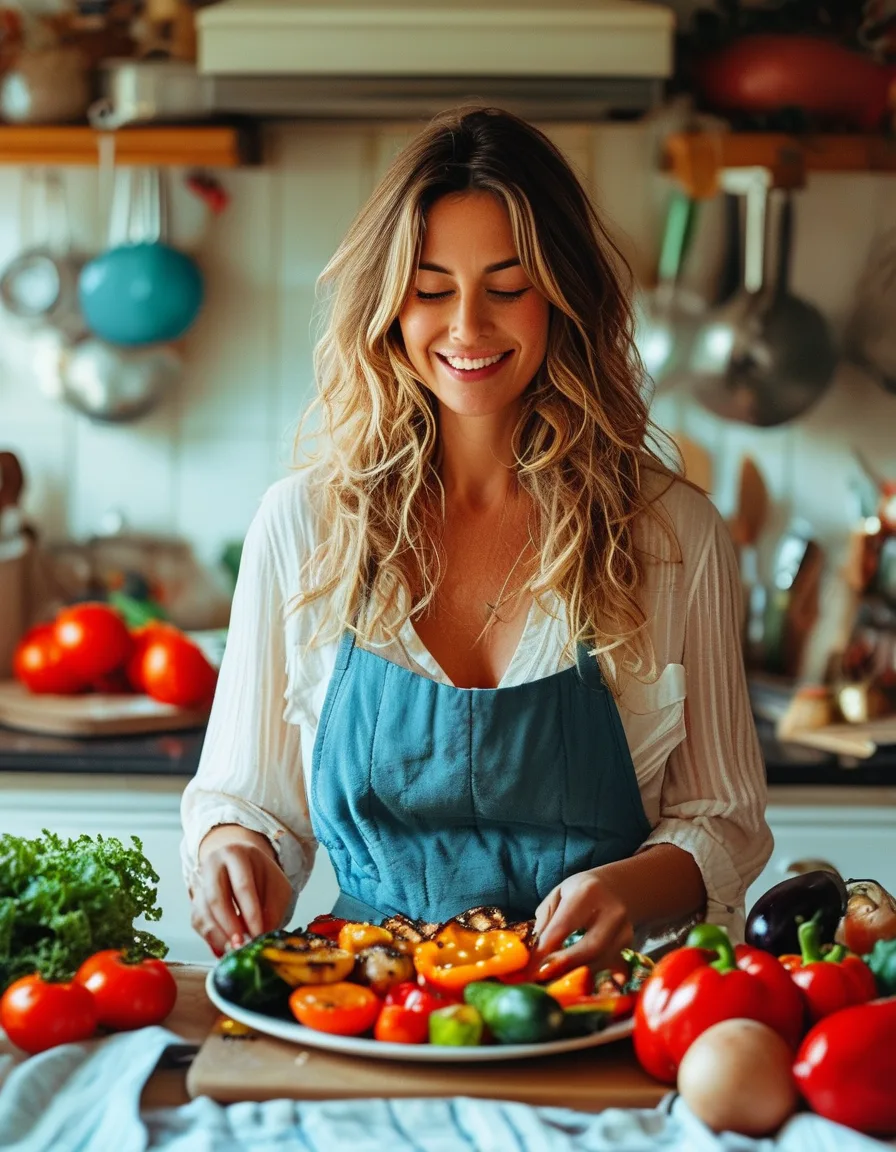
Myth vs Fact: Raw vs Cooked Edition
Myth: Raw always beats cooked, nutritionally. Fact: It’s compound-by-compound — lycopene and carotenoids improve with heat, vitamin C and anthocyanins prefer raw, minerals and fiber barely care either way. A mixed raw-and-cooked diet beats either extreme on total delivered nutrition.
Myth: Microwaving destroys nutrients. Fact: The opposite of its reputation — microwaving is fast with minimal water, which makes it one of the best preservation methods in the research, routinely beating boiling. The nutrient enemy was always time-plus-water, not the appliance.
Myth: Frozen vegetables lost their color compounds at the factory. Fact: Flash-freezing at peak harvest locks compounds in — frozen produce regularly matches or beats week-old ‘fresh’ that traveled and sat. The freezer aisle is a legitimate rainbow source, especially off-season.
The pattern: kitchen guilt attaches to convenience (microwaves, freezers, roasting pans) while the actual chemistry mostly endorses them.
FAQ: Cooking the Rainbow Questions, Answered
What’s the single best all-around cooking method for nutrients?
Steaming and microwaving lead the preservation research (fast, low-water), with roasting close behind and adding the eat-more-of-it deliciousness factor. Long boiling trails the field — unless it’s soup, where the water stays in the bowl.
Should I eat some vegetables raw every day?
A practical yes — a daily raw element (salad, berries, crunchy vegetables with lunch) covers the heat-fragile compounds while your cooked dishes deliver the heat-improved ones. The two-track approach needs zero tracking: it happens naturally in a varied week.
Does cutting vegetables small before cooking lose more nutrients?
More cut surface = more exposure to water and air, so bigger pieces preserve slightly better in wet methods. In practice the effect is small next to method choice — cut for the dish, choose steaming-over-boiling, and the math takes care of itself.
TL;DR:
- Cooking edits the rainbow, not kills it: reds and oranges improve with heat (+fat), purples and vitamin C prefer raw or fast-dry methods
- The real enemy is time-plus-water: steam, microwave, roast, sauté > long boiling (unless it’s soup — you drink the evidence)
- Microwaves and frozen produce are nutrition allies with bad PR
- Run two tracks daily: one raw element + cooked everything-else, and the chemistry sorts itself
The roasting pan was never the enemy of the rainbow — the pot of purple boiling water was. This is general information, not medical advice.
Keep Reading
This article is for general informational purposes only and is not medical advice. Always consult a qualified health professional for guidance specific to you.